The triple planetary crisis is an existential threat on a global scale. But for Small Island Developing States (SIDS), the compounding impacts of climate change and plastic pollution create exponential risk to a resilient future.
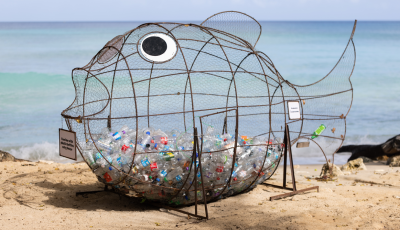
Plastic pollution and climate change converge on SIDS’ shores as an acute, rapidly-mounting threat: plastic pollution blocks drainage systems, exacerbating flooding and other climate impacts, adding pressure to ecosystems, fisheries and coastal communities already affected by warming seas.
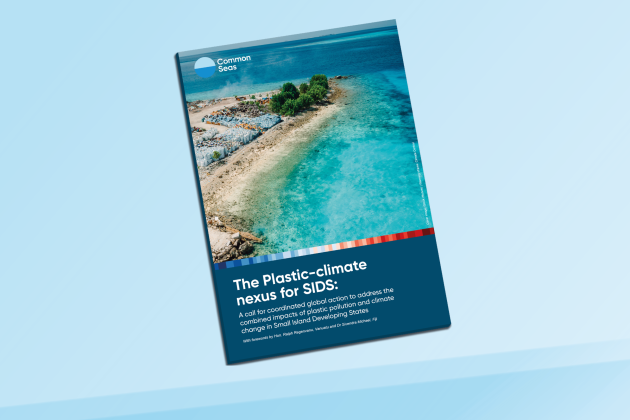
A new paper, “The Plastic-Climate Nexus for SIDS: A call for coordinated global action to address the combined impacts of plastic pollution and climate change in Small Island Developing States”,synthesises cross-sectoral evidence and first-hand accountsto demonstrate how plastic pollution compounds climate change and exacerbates its impacts in small island contexts.
Launched alongside SIDS leaders at COP31, we are now calling on governments and organisations to join a collective mobilisation to accelerate the action urgently needed to address the impacts of the plastic-climate nexus in SIDS.
SIDS, more than any other group of countries, depend on healthy marine ecosystems for livelihoods, food security, cultural identity and climate resilience.
Despite contributing less than 1% of global greenhouse gas emissions and having limited influence over the plastics system, SIDS face disproportionate impacts from both crises. Yet, they face an annual US$10 billion adaptation finance gap.
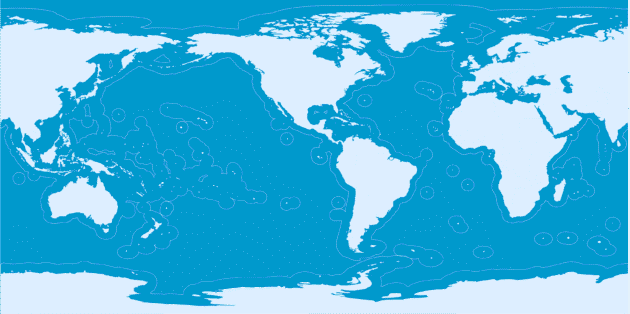
Small Island States steward 19% of the world ocean’s Exclusive Economic Zones (EEZs) – the planet’s greatest carbon sink and the source of food and livelihoods for billions. So while SIDS are hit first, the shockwaves created by the plastic-climate nexus in SIDS will be felt across the globe.
SIDS know this only too well, and have been historic leaders advocatingfor global action. But they cannot tackle this mounting challenge alone.
“On our islands, the converging effects of plastic pollution and climate change cannot be clearer. They meet in the same flooded streets, on the same damaged reefs, in the same communities struggling to stay above rising pollution and sea levels. To address one while ignoring the other is not climate action. It is half a response to a whole crisis."
Hon. Ralph Regenvanu Minister for Climate Change, Vanuatu
We urge decisionmakers to:
Recognise the plastic-climate nexus, acknowledging its compounding risks to SIDS’ ecosystems, infrastructure and livelihoods and ensuring climate-related risks inform Plastics Treaty interventions on pollution prevention, remediation and national policy implementation.
Unlock finance to drive integrated action, prioritising accessible, predictable and grant-based support for integrated interventions, with additional finance to address the adaptation gap in SIDS without adding debt burden.
Advance a SIDS-led research agenda, addressing knowledge and data gaps concerning opportunities for coordination across international climate and plastics governance frameworks, whilst grounding research in SIDS’ priorities, experience and expertise.
Join the mobilisation
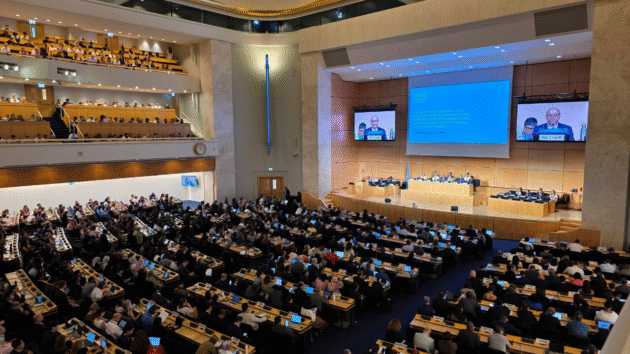
The period between COP31 and INC5.4 is a critical window to acknowledge the plastic-climate nexus and advance coordinated action to safeguard a resilient future for SIDS. Ahead of the next round of Plastics Treaty negotiations in March 2027, SIDS are calling on governments to recognise these compounding impacts in islands, finance integrated address to them, and advance a SIDS-led research agenda into further coordination opportunities across international climate and plastics governance frameworks.
We are calling on governments and supportive partners to endorse the paper and join a cross-sectoral campaign mobilising urgent action ahead of INC5.4.
Endorsing the paper positions your organisation alongside frontline leaders in advocating for ambitious, equitable, unified measures to protect the countries most impacted by plastic pollution and climate change.
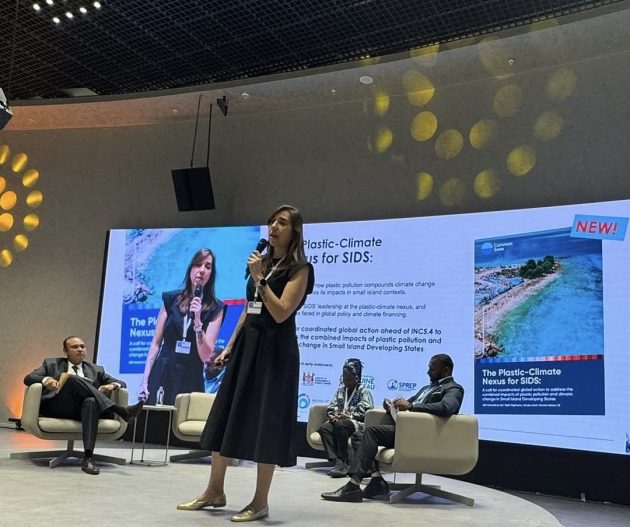
The paper was launched by SIDS leaders at the Zero Waste Pavilion main stage during COP31.
We also invited attendees to join a campaign mobilising support for focused action on plastics and climate in SIDS ahead of Global Plastics Treaty negotiations in March.
The launch followed a panel discussion that brought together policymakers, SIDS experts and tourism sector leaders to discuss how circular solutions, equitable financing and regional cooperation in for Small Island States can drive both plastic reduction and resilience.
“SIDS are already demonstrating leadership on climate action and plastic pollution. International cooperation must now follow, addressing the global drivers of both crises, rather than leaving island nations to manage impacts at the domestic level.”
Thais Vojvodic Director of Partnerships, Common Seas
Paper contributors
Learn more about plastic in SIDS
New vision for regional EPR approach in SIDS and remote geographies endorsed by 40 organisations globally