
Reducing plastic waste generation and pollution in Grenada
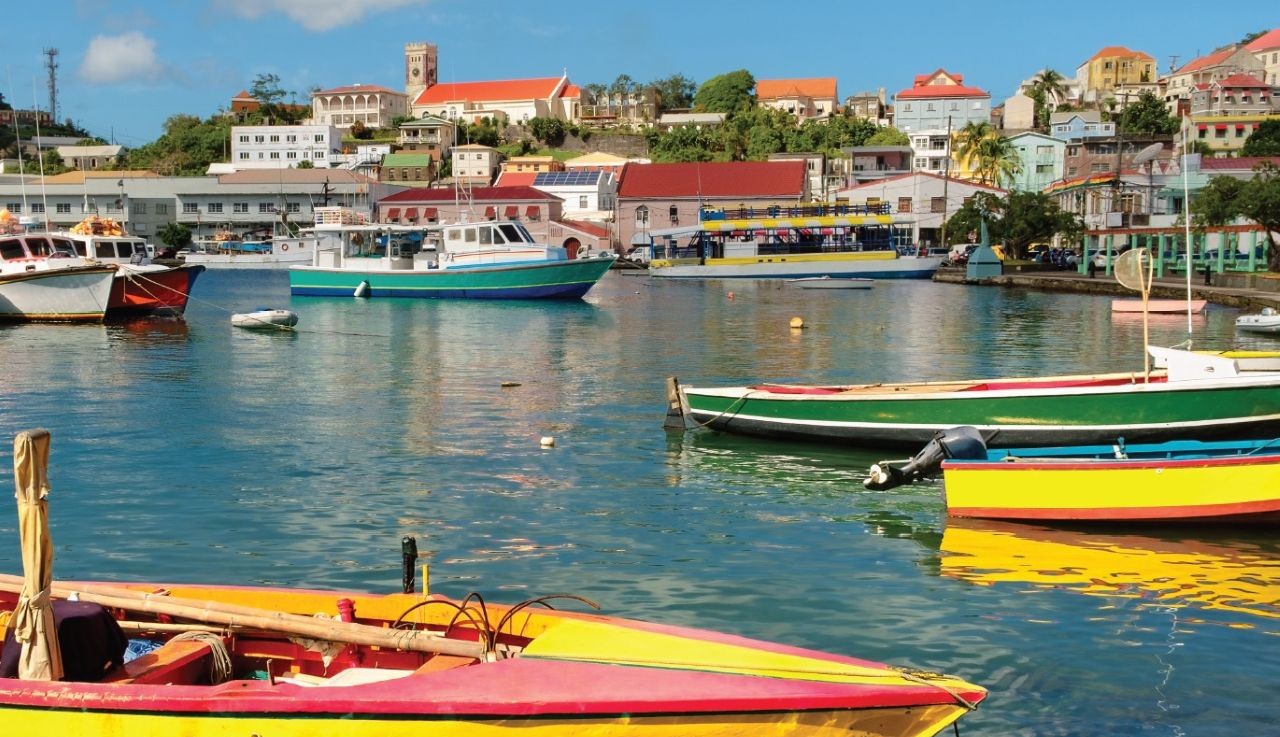

Grenada has a truly beautiful natural environment. But it is under threat. Rapidly growing quantities of plastic pollution, particularly single-use products, threaten the natural capital upon which the island’s communities and economy depends.
Grenada has a well-developed waste management system and has made important strides to tackle single use products. However, it is at risk of being overwhelmed by the growth in waste. This is creating an urgent need to reduce plastic consumption, find alternatives to single-use packaging and reduce reliance on landfill for disposal.
We used our UN-endorsed Plastic Drawdown tool to identify the sources and pathways that give rise to plastic pollution in Grenada. This provided a sound basis for identifying solutions, drawing upon the insight and experience of a diverse range of stakeholders in Grenada.
Collectively, these strategies could reduce plastic pollution by around 79% over the coming decade.
It was a privilege to work with the Ministry of Climate Resilience, the Environment and Renewable Energy to explore strategies to tackle this challenge. The result is a comprehensive Report on Recommendations for policies that can safeguard the island’s ecosystems and blue economy for future generations.
Dr. David Lerpiniere, Senior Technical Lead
Plastic pollution in Grenada
4790 tonnes
of plastic waste generated per year, equivalent to 38kg per person
9.86%
of plastic waste enters the land and marine environment
5000 tonnes
of plastic pollution will enter the marine environment by 2033 without action
Policy recommendations to reduce plastic pollution by 79% by 2035
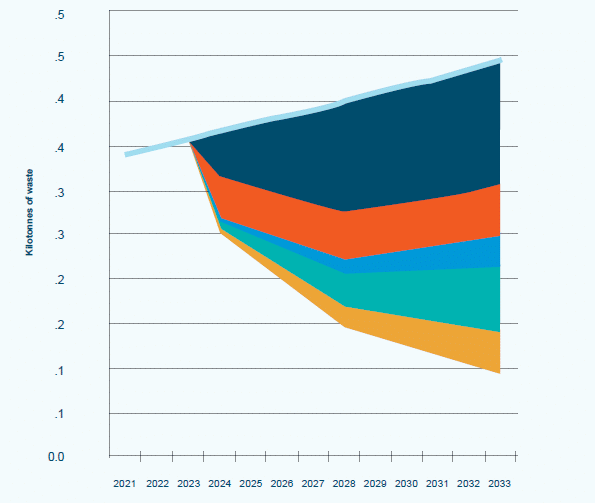
The Report on Recommendations sets out system-change policy recommendations that could cut annual plastic pollution by 79% by 2035— a reduction of 352 tonnes per year compared to business as usual.
Strategy 1 – Tackle plastic water bottles
Strategy 2 – Tackle single-use plastics and establish circular delivery models
Strategy 3 – Introduce source segregation
Strategy 4 – Improve on-the-go waste collection and tackle littering
Strategy 5 – Improve solid waste management and wastewater systems
Our supporters
Supported by funding from the UK Government through UK International Development, Common Seas is partnering with five Small Island Developing States (SIDS) to develop National Action Plans to tackle plastic pollution.
As part of the Sustainable Blue Economies Programme, this critical funding will allow us to develop and scale an approach tailored to the unique challenges and needs of SIDS, which are disproportionately affected by the plastic crisis. The project is supporting partner governments to radically reduce ocean plastic in their countries over the course of ten years and contribute to a sustainable blue economy.