Reducing plastic waste generation and pollution in Tuvalu
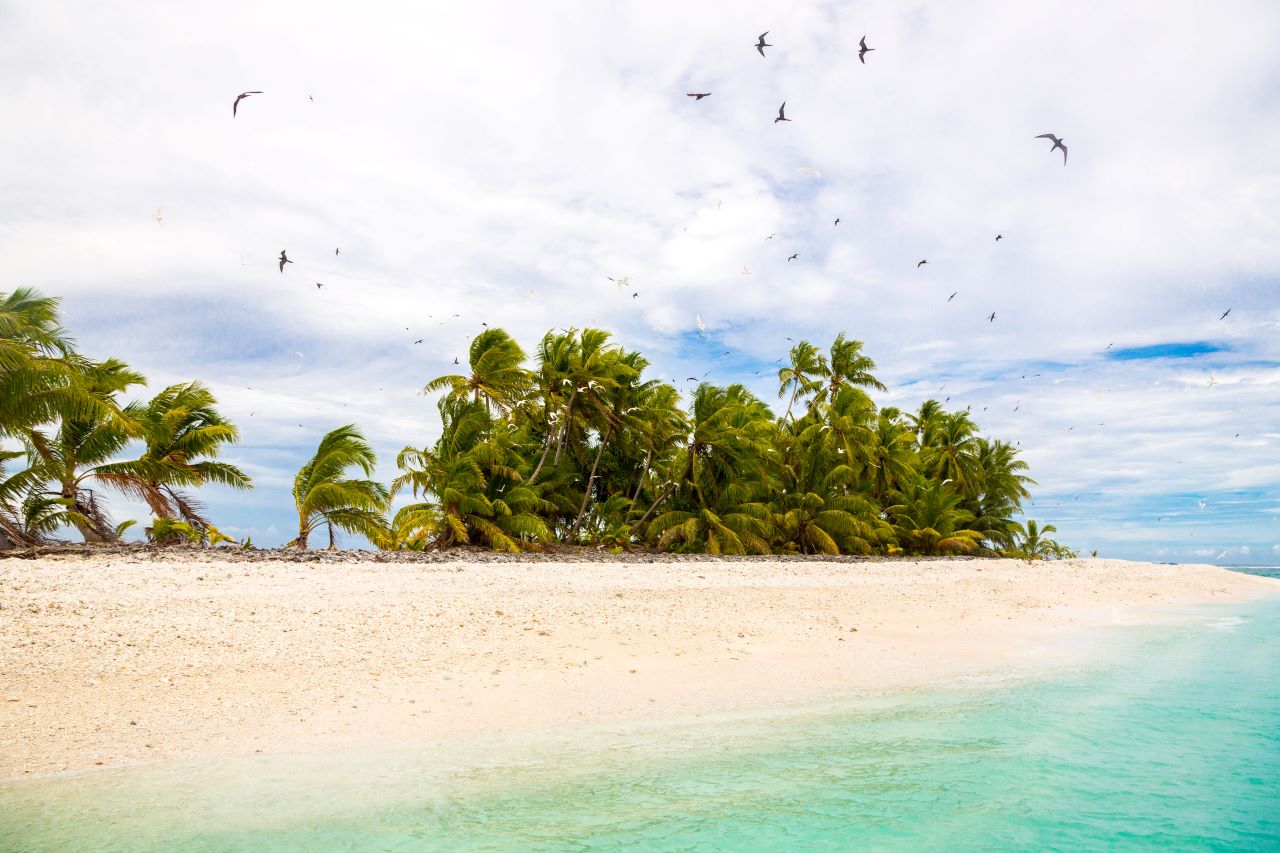

Tuvalu is a country on the frontlines of the triple planetary crisis. Rising sea levels, erosion and frequent flooding threaten the existence of the small island nation.
From production to disposal, plastic is a key driver of climate change. Despite adopting strong measures to limit the generation of plastic waste, Tuvalu’s limited landmass means that plastic waste has a tangible presence in everyday life.
While waste collection services are strong, the primary landfill in Funafuti sits within metres of the lagoon, which communities depend on for their livelihoods. Particularly during floods and other climate events, plastic waste falls into the lagoon, impacting marine life, public health, and the natural systems that support Tuvalu’s blue economy.
Building on the country’s leadership in reducing plastic waste, the Government of Tuvalu partnered with Common Seas to develop a National Action Plan to Tackle Plastic Pollution. The plan builds and sets out a practical pathway to reduce unnecessary plastic use at the source and closing leakage pathways arising through collection and disposal.
Together, the strategies laid out in the Plan could reduce plastic pollution by 40.9% over the coming decade.
Patrick Cumming, Data Modelling Lead
Plastic pollution in Tuvalu
211 tonnes
of plastic waste was generated in 2024
19kg
plastic waste generated per capita each year
660 tonnes
of plastic pollution will enter the environment by 2035 if no action is taken
Strategies to reduce plastic pollution by 40.9% per year over the coming decade

The National Action Plan sets out system-change strategies that could cut annual plastic pollution by 40.9% by 2035 — a reduction of over 20 tonnes per year compared to business as usual.
Strategy 1 – Reduce: Upstream measures to close the tap
Strategy 2 – Reuse: Encouraging circular thinking
Strategy 3 – Recycle: Invigorate Tuvalu’s recycling sector
Strategy 4 – Further downstream measures: To keep Tuvalu clean
“We look forward to launching the National Action Plan later this year, supported by Common Seas. In doing so we join a growing number of SIDS and small coastal countries that are demonstrating global leadership in addressing plastic pollution at the national level, whilst contributing to global efforts.”
Dr. Maina Talia, Minister for Home Affairs, Climate Change, and Environment
Our supporters
Supported by funding from the UK Government through UK International Development, Common Seas is partnering with five Small Island Developing States (SIDS) to develop National Action Plans to tackle plastic pollution.
As part of the Sustainable Blue Economies Programme, this critical funding will allow us to develop and scale an approach tailored to the unique challenges and needs of SIDS, which are disproportionately affected by the plastic crisis. The project is supporting partner governments to radically reduce ocean plastic in their countries over the course of ten years and contribute to a sustainable blue economy.
Our partners