Government partnerships
Partnering with governments to reduce plastic pollution

Small Island Developing States (SIDS) and small coastal countries are on the frontlines of plastic pollution they did not create.
Policy and regulation are crucial to driving real change.
Through robust data analysis and collaboration, we develop evidence-based national policy strategies.
We collaborate with governments and leading organisations in SIDS and small coastal countries to identify and accelerate the implementation of the most effective policies to significantly reduce plastic pollution, to protect people’s health, safeguard the environment and benefit future generations.
Evidence-based policy development

Plastic Drawdown is Common Seas’ data modelling tool. It uses a waste flow analysis, coupled with consultation sessions, to model and visualise the baseline flow of plastic waste through a country.
It allows us to move beyond bans on single use plastics to identify and visualise the impacts of the most effective policies to reduce plastic waste and marine plastic pollution.
We developed the tool in consultation with 24 governments around the world, more than half of whom are SIDS.
To find out more, you can read the methodology in the Global Environmental Change Journal.
Where we work

Papua New Guinea
In collaboration with the Conservation and Environment Protection Authority, we developed a National Action Plan to End Plastic Pollution to cut plastic pollution by 61% over 10 years.
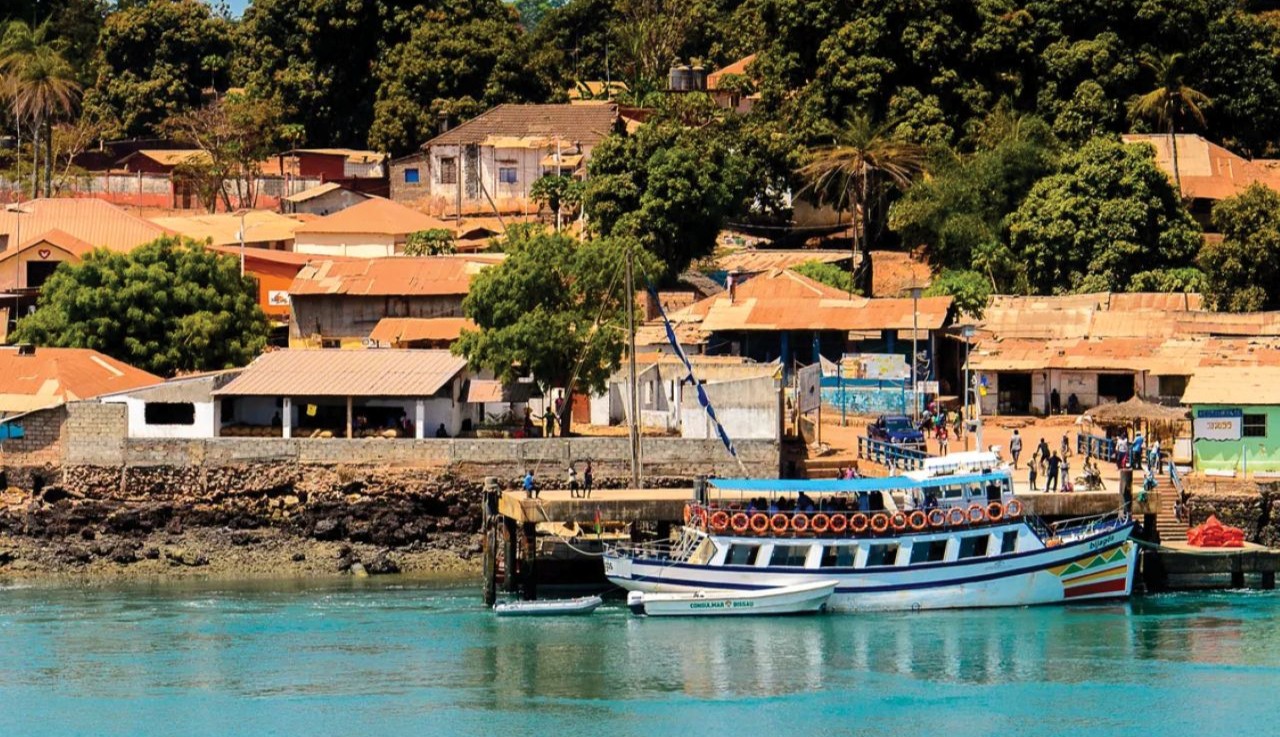
Guinea-Bissau
In collaboration with the Ministry of Environment and Climate Action, we developed a National Action Plan to Tackle Plastic Pollution by 79% over 10 years.
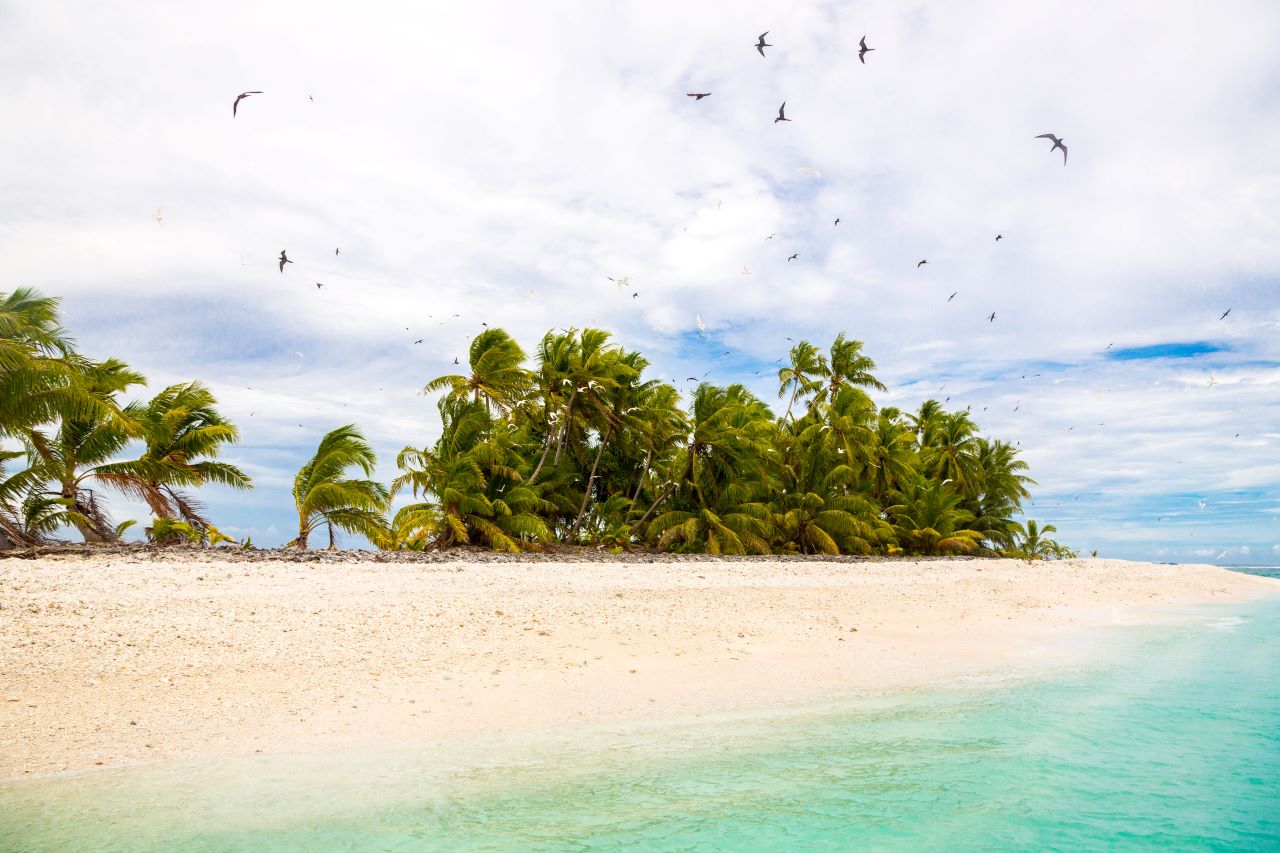
Tuvalu
In collaboration with the Ministry of Home Affairs, Climate Change and Environment, we developed a National Action Plan to Tackle Plastic Pollution by 40.9% over 10 years.

Saint Lucia
In collaboration with the Department of Sustainable Development, we developed policy recommendations to reduce plastic waste generation and pollution by 38% over 10 years.
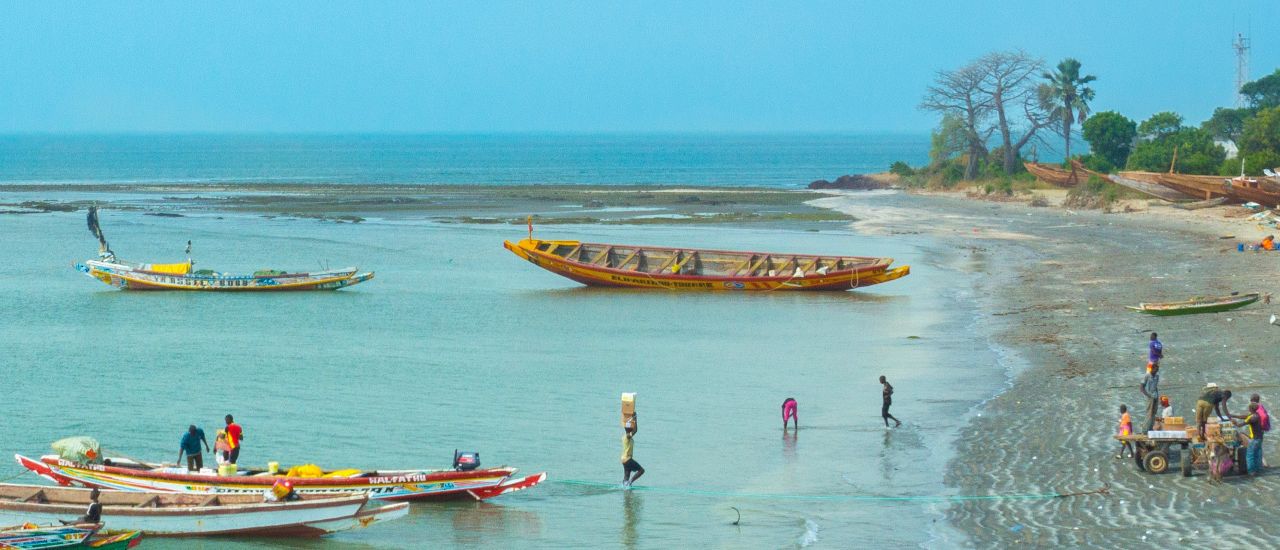
The Gambia
In collaboration with the Ministry of the Environment, we developed their National Action Plan to End Plastic Pollution, driving an 86% reduction over 10 years.

Barbados
In collaboration with the Ministry of the Environment and National Beautification, we developed their National Action Plan to End Plastic Pollution, driving a 73% reduction over 10 years.
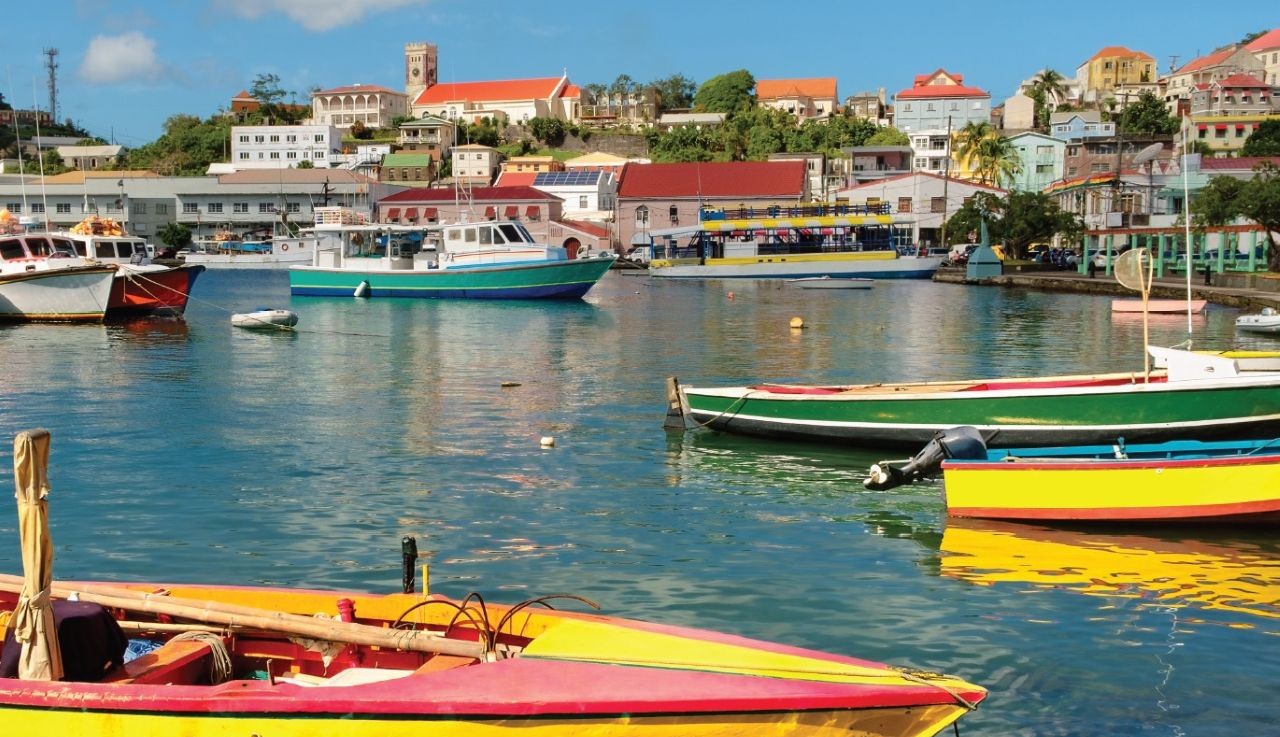
Grenada
We worked with the Ministry of Climate Resilience, the Environment and Renewable Energy to explore strategies to reduce plastic waste and pollution by 79% over 10 years.

Maldives
We worked with the Government of the Maldives to identify policies to reduce plastic pollution by 85% over 10 years.
Regional EPR in SIDS and remote geographies

To safeguard SIDS’ environments, economies and health, there is no single solution. No policy alone can deliver the scale of change required. Our analyses with country partners consistently show that the most impactful approach is a suite of upstream and downstream policies working together, often including Extended Producer Responsibility.
EPR has proven to be a successful model to support countries in their efforts to manage waste. However, the application of traditional EPR in SIDS and remote geographies poses unique challenges.
New research led by Common Seas and Circulearth explores the potential of regional approaches and offers an urgent and timely opportunity to build lasting systems that strengthen economic resilience, reduce reliance on fragmented grant funding, and deliver a more sustainable response to the plastic pollution crisis.
Combined impact to date
64,443 tonnes
potential annual reduction in plastic pollution entering our oceans to date
8
National Plans and reports completed
585 professionals
upskilled through dedicated technical support
Our supporters